Community Resilience & Livelihoods Programme
Integrated agriculture, food security, livelihoods and climate resilience support helping households absorb and recover from recurring shocks.
Treating flooding, drought and climate shocks as predictable planning inputs, not surprises.
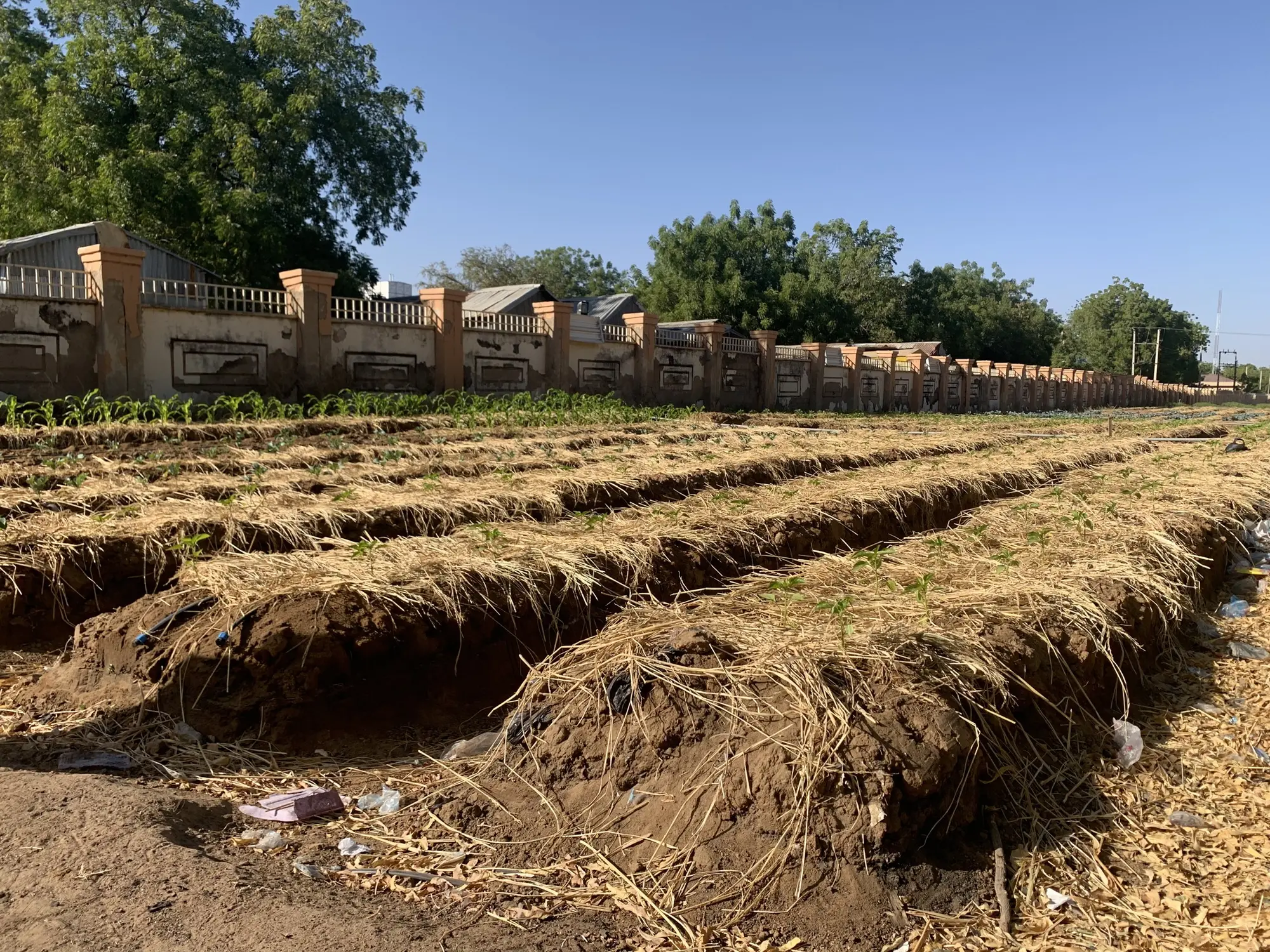
Strategic objective 4
Strengthening capacity to anticipate, prepare and adapt to climate and disaster risks.
Published humanitarian data on the need this work responds to. Each figure is shown with its source.
People affected by the 2024 floods
Source: NEMA (2025)
People displaced by the 2024 floods
Source: NEMA (2025)
People affected by flooding in 2025, as of November
Source: NEMA 2025/26
Flagship programmes set out in the Strategic Plan 2025–2030, translating this objective into fundable, replicable models.
Integrated agriculture, food security, livelihoods and climate resilience support helping households absorb and recover from recurring shocks.